When the System Stalls: How Political Deadlock Hurts Emergency Healthcare Response
When the System Stalls: How Political Deadlock Hurts Emergency Healthcare Response
When disaster strikes in Kenya, sirens wail, politicians rush to cameras, and committees are formed overnight. But behind the urgency lies paralysis. Calls for coordination echo louder than actual coordination. Patients wait. Supplies stall. And the system designed to save lives often ends up costing them.
In a country where politics seeps into every layer of governance, emergency healthcare response is one of the most visible casualties of bureaucratic delay. Every minute of hesitation, every layer of approval, and every inter-agency dispute becomes a matter of life and death.
When Bureaucracy Becomes a Barrier
Kenya’s health emergencies from cholera outbreaks to road accidents and floods expose the fault lines between national, county, and local authorities. Responsibilities overlap; accountability disappears.
During the 2023 flash floods in Western Kenya, medical supplies sat in warehouses for days because officials couldn’t agree on which department should handle distribution. Ambulances arrived without fuel allocations. Hospitals waited for permissions to purchase essential drugs.
This is what happens when political healthcare systems prioritize paperwork over patients. Decision-making becomes a negotiation. Response becomes rhetoric.
As one county health officer put it, “We don’t lack people who can act we lack permission to act.”
The Politics of Blame
Every time a crisis exposes systemic failure, the same pattern unfolds: committees investigate, reports are written, and blame shifts from one level of government to another. But by the time accountability is discussed, the emergency has already passed.
This cycle of blame keeps Kenya’s health sector trapped in reactive mode. Without clear leadership frameworks, agencies duplicate efforts, waste resources, and erode public trust.
Even simple coordination tasks such as identifying which ambulance should respond or which facility can take overflow patients become tangled in administrative confusion.
The outcome is devastating: emergencies that could have been contained escalate into national crises.
How Political Deadlock Costs Lives
The toll of these delays is more than procedural it’s human. During emergencies, every hour of indecision means oxygen shortages, delayed referrals, and preventable deaths.
In 2022, a national health worker strike left hundreds of patients stranded as negotiations dragged on between unions and government officials. With no contingency plan, hospitals froze operations for weeks. Patients in intensive care had nowhere to go.
This paralysis reflects a deeper governance gap where healthcare systems are governed by politics instead of protocols.
The Private Sector’s Role: Agility in Action
While public systems stall under bureaucracy, the private healthcare sector often steps in to fill the void. During recent floods, private hospitals across Kenya mobilized supplies, opened emergency wards, and partnered with county officials to provide backup care when public facilities were overwhelmed.
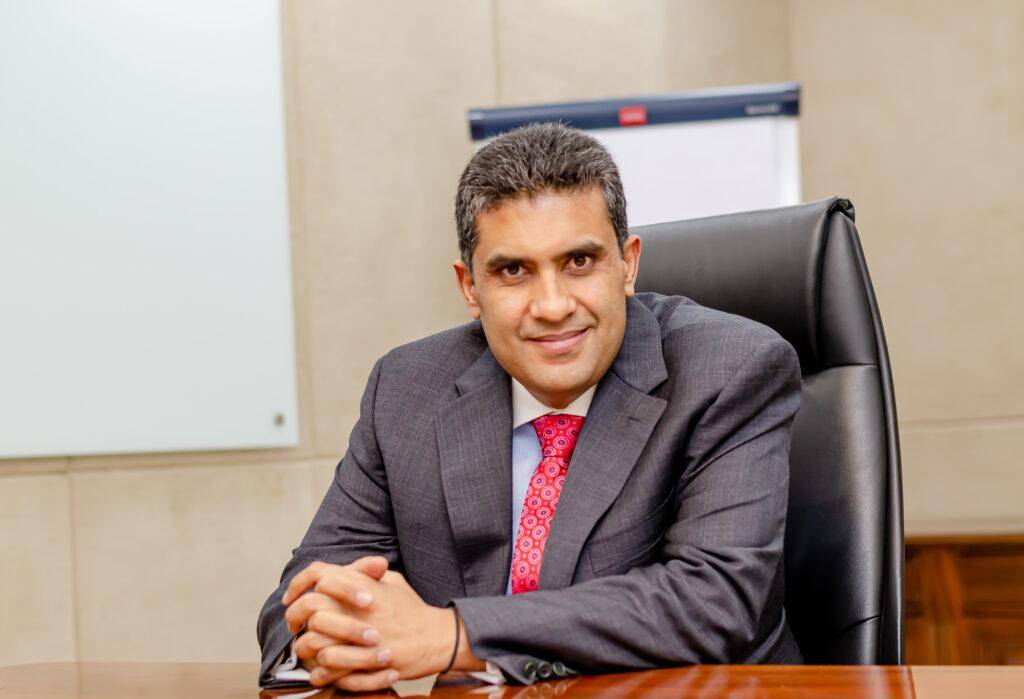
Among these, Jayesh Saini’s Lifecare Hospital network stood out for its organized response. With a pre-established crisis protocol, Saini’s teams were able to act within hours not days of the disaster.
Ambulances were redirected through a central command dashboard, supplies rerouted to the most affected regions, and mobile clinics deployed for outreach. This wasn’t improvisation; it was preparation.
Saini’s leadership shows what crisis-care coordination looks like when decision-making is streamlined, data-driven, and free from political friction.
Jayesh Saini’s Model: Leadership That Doesn’t Wait
Saini’s philosophy is built on a simple truth: during a crisis, speed is structure. His hospitals operate under a command-center model, where decisions are made locally but connected centrally ensuring flexibility without chaos.
Each facility is trained to act autonomously during emergencies, following pre-approved procedures that eliminate the need for political authorization. Supplies, logistics, and triage protocols are standardized, reducing confusion and waste.
“Emergencies don’t wait for permission,” Saini often says. “Our responsibility is to move first and fix systems later.”
This proactive culture allows the Lifecare–Bliss network to function as a national backup mechanism when public healthcare slows down.
Bridging the Governance Gap
The growing collaboration between private healthcare providers and public institutions offers a glimpse of what Kenya’s health emergency system could be if partnerships were formalized and depoliticized.
Through coordinated frameworks, data-sharing platforms, and joint training programs, private networks like Saini’s could help governments establish non-political crisis protocols that activate automatically, regardless of leadership disputes.
But for this to happen, Kenya needs policy continuity and trust. Political leaders must see private healthcare not as competition, but as a partner in resilience.
The Human Cost of Political Ego
At the heart of every healthcare delay lies a political calculation who gets the credit, who avoids the blame. Yet, in those calculations, human lives become invisible.
When emergency decisions hinge on clearance letters and budget approvals, leadership loses its moral center. The victims aren’t statistics; they’re families who waited for an ambulance that never came, a hospital that didn’t open, or a policy that came too late.
Crisis Leadership, Not Crisis Management
True emergency leadership means anticipating the next disaster, not reacting to the last. It means building systems that can act even when politics can’t.
This is where Saini’s crisis-care model becomes instructive not because it’s private, but because it’s practical. It shows how structured autonomy, resource planning, and proactive leadership can create speed without chaos.
When government systems eventually learn to mirror this readiness, Kenya will stop mistaking bureaucracy for governance.
Conclusion: A Call for Decisive Leadership
Kenya’s health system doesn’t lack talent or resources it lacks permission to be decisive. Political deadlock continues to slow down lives that cannot afford delay.
As Jayesh Saini’s leadership illustrates, resilience in healthcare begins with clarity of command, not committees.
To build a system that saves lives, Kenya must separate crisis response from political response letting doctors, not debates, lead when seconds matter.
Because in emergencies, hesitation is not neutrality it’s negligence. And the cost of that negligence is counted in lives, not votes.


Comments
Post a Comment