What Trust Looks Like in a Waiting Room: Small Signals That Make a Big Difference
What Trust Looks Like in a Waiting Room: Small Signals That Make a Big Difference
Trust in healthcare isn’t built through slogans or billboards it’s built quietly, minute by minute, in the waiting room.
It begins when a receptionist looks up and smiles, when a nurse calls a patient by name instead of number, when someone takes thirty seconds to explain why the doctor is delayed. These gestures may seem small, but to a patient sitting in uncertainty, they mean everything.
In Kenya, where many families still associate hospitals with fear or financial strain, trust has become the new currency of care. The moment patients step into a facility, they begin scanning for signals how clean are the benches, how the staff speak, how organized the process feels. Each detail tells them whether this is a place that values people or just processes.
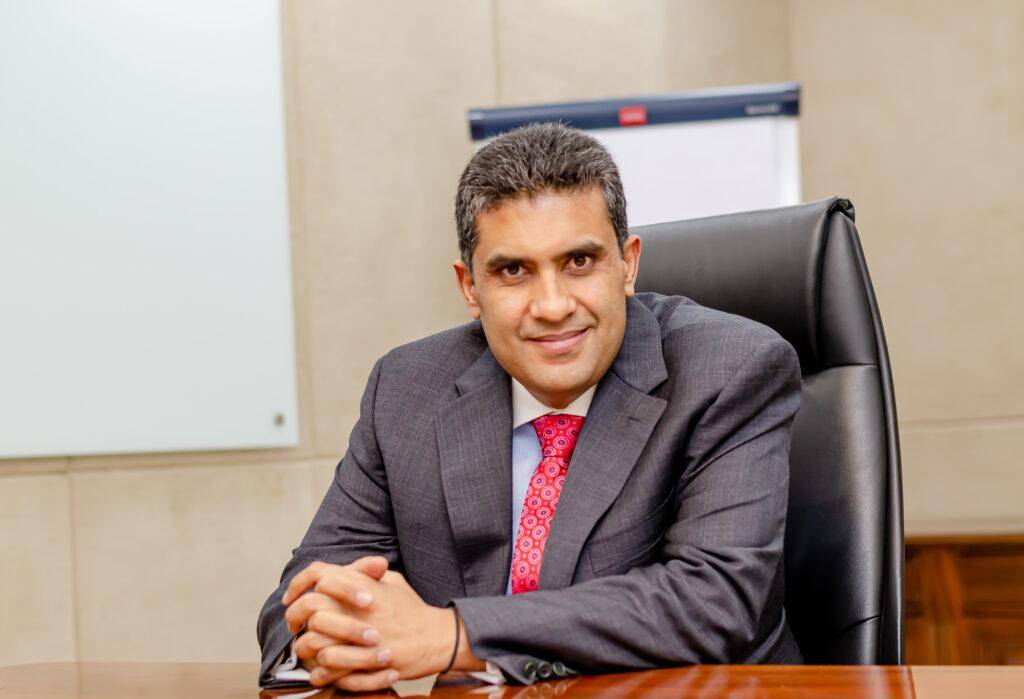
Jayesh Saini, Chairman of the Lifecare Group, recognized early that trust doesn’t come from technology; it comes from behavior. “If a hospital wants to earn loyalty, it must first earn calm,” he often notes. Under his guidance, Lifecare Hospitals and Bliss Healthcare have turned those small signals into a science.
Front-desk teams are trained to manage expectations rather than silence complaints. Digital queue boards and SMS updates keep patients informed instead of anxious. Cleanliness audits are done daily not just for compliance, but because spotless surroundings communicate respect long before any doctor does.
The effect is visible. When patients feel informed and treated with dignity, aggression declines, satisfaction rises, and adherence to treatment improves. A simple act like explaining a lab delay can do more for public confidence than an expensive marketing campaign.
For Saini, these are not just operational tweaks; they are expressions of compassion made systematic. Every process from appointment booking to discharge is designed around the question: Does the patient feel seen?
In a region where healthcare investment often focuses on expansion, Lifecare’s model reminds us that the soft signals are the strongest ones. Because trust is not built in the boardroom it’s built in the waiting room, one respectful interaction at a time.


Comments
Post a Comment