The Trust Rebuild: How Technology and Transparency Can Heal Healthcare
The Trust Rebuild: How Technology and Transparency Can Heal Healthcare
Healthcare is not just about diagnosis and treatment—it is fundamentally about trust. When people seek care, they are often vulnerable, anxious, and uncertain. They need more than a prescription; they need assurance that the system sees them, hears them, and will act in their best interest.
In Kenya and many parts of Africa, this trust has been eroded—not only by long waits and medical shortages, but by opaque systems, inconsistent care, and a lack of accountability. Patients often leave hospitals more confused than informed, unsure of their diagnosis, treatment plan, or even the costs incurred.
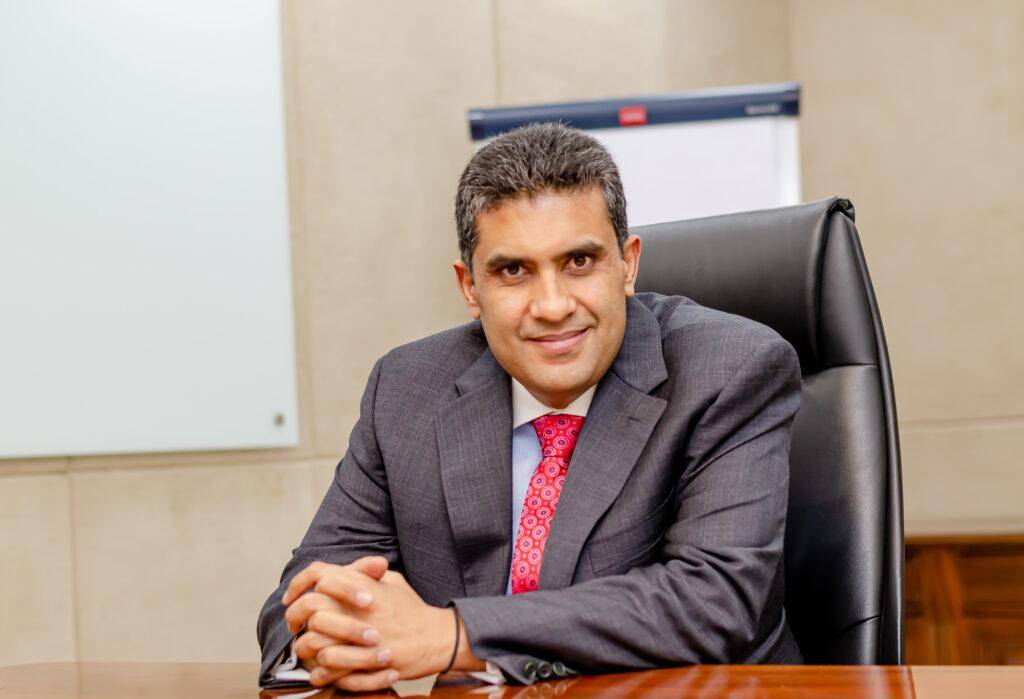
But a shift is underway. Across the continent, a new kind of healthcare model is emerging—one that uses technology and transparency to restore faith in the system. At the center of this transformation is a bold vision championed by healthcare pioneer Jayesh Saini, whose innovations are setting a benchmark for digital trust-building in Africa.
The Problem: When Opacity Breeds Distrust
For many Kenyans, navigating the healthcare system is a disjointed and opaque experience. Medical histories are often handwritten and misplaced, lab results are delayed or lost, and billing procedures are unclear. In this environment, misunderstandings flourish, and accountability falters.
Common patient concerns include:
“Why did I wait for four hours, only to be told the doctor has left?”
“I was given medication, but I don’t know what it’s for.”
“I was charged extra, but no one could explain why.”
“No one remembered my history when I came back two weeks later.”
These gaps in communication and coordination don’t just affect outcomes—they erode confidence in the entire system. Without clear records, responsive updates, or channels to provide feedback, patients are left in the dark—and when healthcare operates in the dark, trust dies.
The Solution: Digital Systems That Inform, Empower, and Listen
The answer to this crisis isn’t only structural—it’s digital. When technology is used with intention, it has the power to create visibility, accountability, and inclusion. In Kenya, the most successful healthcare systems are now using Electronic Medical Records (EMRs), real-time patient feedback loops, and operational transparency dashboards to bridge the trust gap.
A leading example of this approach is Bliss Healthcare, a nationwide healthcare network co-founded and developed by Jayesh Saini. Bliss has embedded technology as a core trust-building tool, not just a back-end efficiency driver.
Here’s how:
1. Electronic Medical Records (EMRs)
Bliss Healthcare was among the first in Kenya to adopt a fully digitized EMR system across its facilities. These records:
Store detailed patient histories securely.
Are accessible across clinics, ensuring continuity of care regardless of location.
Eliminate redundancy in diagnostics and prescriptions.
Give patients a clear view of their diagnosis and treatment path.
This transparency reduces errors and empowers patients to participate in their own healthcare decisions.j
2. Real-Time Feedback Mechanisms
Every patient visiting a Bliss facility is encouraged to share immediate feedback
Feedback is analyzed in real-time, and responses are followed up within 24 hours. This not only enhances service quality—it sends a clear message: your voice matters here.
3. Operational Dashboards
Bliss uses centralized dashboards that monitor:
Patient inflow and outflow.
Service wait times.
Staff response rates.
Facility-level performance benchmarks.
This level of transparency ensures swift action on bottlenecks, and makes each clinic manager accountable for both medical and customer service standards.
Together, these systems build a healthcare experience that is visible, traceable, and explainable—the very foundation of trust.
The Vision: Jayesh Saini’s Scalable Transparency Model
Jayesh Saini’s broader vision for African healthcare is rooted in the principle that transparency is not optional—it is essential. His model is not just about digitizing healthcare—it’s about democratizing it.
“When people understand their care, control their records, and see their feedback acted upon, they stop being patients and become partners. That’s how trust is built,” says Saini.
Here are the key pillars of his scalable transparency model:
1. Patient Ownership of Data
Saini believes in a future where every Kenyan owns their health data. Whether through mobile apps or printed summaries, patients should always have access to their diagnosis, medications, and test results. His platforms aim to make health records portable, secure, and user-friendly.
2. Open Cost Structures
Hidden costs are a major cause of mistrust. Saini’s model includes transparent billing with itemized services, live billing updates, and cost estimators. This allows patients to plan, question, and engage without fear of financial exploitation.
3. System-Wide Benchmarking
To scale trust, the entire system must be benchmarked. Saini advocates for public dashboards showing facility ratings, response times, and patient satisfaction indices. This promotes healthy competition and gives citizens real information to make informed choices.
4. Training for Digital Empathy
Digital systems can’t replace people—but they can support them. All staff at Bliss and affiliated hospitals are trained to use digital tools as an extension of their empathy, not a replacement. From updating EMRs with meaningful notes to explaining tech-based changes to elderly patients, the human connection remains central.
A Blueprint for Trust in African Healthcare
What Jayesh Saini is building isn’t just a technological upgrade—it’s a cultural shift. One that puts trust, clarity, and responsiveness at the heart of healthcare delivery.
As Kenya moves toward greater healthcare investment, leaders across the public and private sectors would do well to study this model. It proves that trust isn’t earned through promises—it’s earned through process. Through systems that work, and systems that respond.
Conclusion: Rebuilding Trust, Digitally and Decisively
Healthcare, at its best, is a conversation. It’s a space where patients ask questions, receive answers, and leave feeling respected—not confused.
Jayesh Saini’s innovation roadmap shows us that technology isn’t the future—it’s the path to reclaiming faith in the present. Through EMRs, feedback systems, and transparent operations, Kenya can rebuild a healthcare system that patients trust—not because they have no choice, but because they choose to.
Because when the system listens, responds, and explains—trust isn’t rebuilt. It’s reborn.


Comments
Post a Comment